The short answer: No. Microblading is semi-permanent: the pigment softens and fades over time, so touch-ups are part of the plan. The same is true of other permanent makeup, including lip blush, eyeliner and scalp micropigmentation. How long yours lasts depends on your skin, the technique, sun exposure and aftercare.
In a nutshell
- Permanent makeup isn’t like ordinary makeup that washes off, but it isn’t forever either.
- It softens gradually, and colour refreshes are a normal part of looking after it.
- Because the pigment sits in your skin, it also doesn’t simply disappear, so the design deserves real care.
Three things worth knowing
- A softened result usually needs a gentle refresh, not a full redo, as long as you don’t leave it too long.
- Your skin and everyday habits shape how long it lasts just as much as the technique does.
- Fading and colour change are different things. Pigment that has turned grey or ashy needs correcting, not just topping up.
Will It Last Forever?
When you’re thinking about permanent makeup, one question tends to come up before all the others: will this last forever? It’s a fair thing to wonder. You’re trusting someone with your brows, lips or lash line, and you want to know exactly what you’re signing up for.
The honest answer sits somewhere in the middle. Permanent makeup lasts far longer than anything you apply in the morning, yet it gently softens with time. How quickly depends on things you can control, like sun protection and aftercare, and things you can’t, like your skin type.
In this guide, we’ll walk you through what “permanent” really means, how long brows, lip blush, eyeliner and scalp micropigmentation tend to last, and why two people with the same treatment can see quite different results. You’ll also learn the signs it’s time for a refresh, and a few simple habits that help your colour stay beautiful for longer.
Is Microblading Permanent? What “Permanent” Really Means
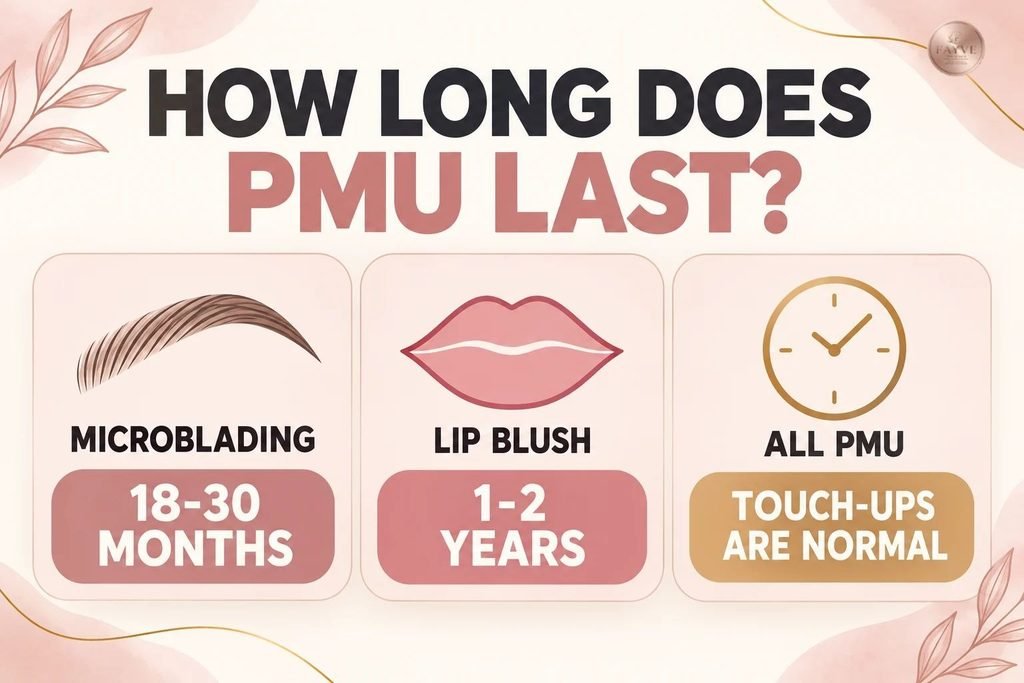
Microblading is semi-permanent. It lasts much longer than brow pencil, but the pigment softens over time, and touch-ups keep your brows looking fresh.
How long does microblading last?
Published estimates vary, which tells you how much depends on the individual. Healthline puts it at roughly 18 to 30 months, with touch-ups usually needed once or twice a year. ELLE India suggests results generally hold for about one to two years before a touch-up is due.
Part of the reason is the technique itself. Microblading is done by hand, and dermatologists writing in The Hospitalist explain that it tends to fade faster than machine work, because some pigment is pushed back out during the procedure.
Why “permanent” makeup still fades
Permanent makeup works by placing pigment into your skin, so it isn’t like makeup that washes off at night. Over months and years, though, the colour gently softens. That’s why maintenance and colour-refresh appointments are a normal part of having PMU, not a sign that something went wrong.
Why it doesn’t fully disappear either
Here’s the part many guides skip. Because pigment sits in the skin, it may not fade evenly or completely. The US Food and Drug Administration notes that permanent makeup is not easily removed and can sometimes cause lasting discoloration.
You may have seen this yourself: older microblading that has healed grey, blue-grey, ashy or reddish rather than simply vanishing. Fayve doesn’t offer microblading, but if you have faded or discoloured brows, our brow colour correction process can help. Your existing pigment is assessed first, any unwanted tone is neutralised, and your new colour is only introduced once your skin has healed.
What Affects How Long Your Permanent Makeup Lasts?
How long your PMU lasts comes down to your skin, the technique and pigment, where it’s placed, sun exposure, your skincare routine, your aftercare and how well your skin holds pigment. Here’s how each one plays out, and what you can do about it.
| Factor | Why it matters | What you can do |
| Skin type | Oily or combination skin may need touch-ups more often, because excess oil makes it harder for pigment to hold | Mention it at your consultation so the technique and pigment suit your skin |
| Technique | Hand-done microblading tends to fade sooner than machine work | Ask which technique holds best on skin like yours |
| Sun exposure | UV can fade or change colour, and sun can make lip colour fade faster | Sunscreen and sunglasses once healed; a hat for SMP |
| Skincare | Exfoliation can soften or change colour | Be gentle around treated areas |
| Laser, IPL and peels | Lasers and IPL can target pigment and fade it | Tell your provider about your PMU first |
| Smoking | Can make lip blush fade faster | Factor it into when you plan a refresh |
| Pools and saunas | Chlorinated water, saunas and hot tubs can speed up SMP fading | Limit them where you can |
| Aftercare and healing | Healing affects how much pigment your skin keeps | Follow your aftercare and let flakes fall away on their own |
Why two people with the same treatment see different results
Imagine two friends who get their brows done on the same day. One has oily skin, swims a few times a week and uses an exfoliating serum every night. The other has drier skin and wears sunscreen daily. Even with the same artist, their brows can soften at very different speeds. Neither result is “wrong”. Their skin and habits are simply different.
If you live in Mumbai, strong sun for much of the year and humid days that leave skin feeling oily are worth keeping in mind. They’re not reasons to avoid PMU, just useful things to mention when you plan your treatment.
How Long Does Lip Blush Last?
At Fayve, Lip Blush typically lasts around one to two years once you’ve completed the recommended two sessions. Like all PMU, the exact timing depends on you.
Why two sessions?
Lip blush is built gradually, like a soft tint rather than an opaque lipstick. Your first session establishes the initial colour and definition. The second, at least 21 days later once your lips have healed, reinforces the colour for a more even, longer-lasting result.
What changes how long it lasts
Your skin type, skincare routine, sun exposure, aftercare, lifestyle and how your lips hold pigment all play a part. An article from Cleveland Clinic puts estimates at around two years, and notes that sun and smoking can make the colour fade faster.
One helpful tip from the same article: if you get cold sores, tell your artist before your appointment.
What happens as it fades
As your lip blush softens, your lips gently move back towards their natural colour. When you’d like that tint back, a colour refresh boosts the existing colour rather than starting from scratch.
If your lips are naturally darker or uneven in tone, the plan may begin with Dark Lip Neutralisation before colour is added. The number of sessions for that depends on your lips, so your artist will guide you after assessing them.
Brows, Eyeliner and SMP: What to Expect
Every treatment area behaves a little differently, so your artist will give you a realistic idea of how long yours should last, based on your skin and the technique you choose.
Nano, combination, powder and ombré brows
Machine-made brows, like Nano, Combination and Powder or Ombré Brows, generally hold their colour longer than hand-done microblading. Even so, oily skin, strong sun and exfoliating skincare around the brows can all soften them sooner. Once your brows have healed, a perfection appointment may be suggested to even out colour and definition.
Permanent eyeliner and lash enhancement
How long Permanent Eyeliner lasts depends on your skin type, lifestyle and how much UV exposure your eyes get, according to a PMU artist quoted by Makeup.com. Because eyeliner isn’t easy to remove, starting with a subtler line is often the wiser choice. At Fayve, you can choose from a barely-there lash enhancement, a classic line or a soft, shaded finish.
Scalp micropigmentation (SMP)
Scalp Micropigmentation creates the look of greater hair density with tiny, carefully placed pigment impressions. Like other PMU, it isn’t permanent in the sense of forever sense. Ziering Medical notes that skin type and the products you use on your scalp affect how it fades, and that chlorinated water, saunas and hot tubs can speed fading up. Your SMP is customised to your hair colour and density, and your artist can advise on when a top-up makes sense.
Signs It’s Time for a Colour Refresh
You’ll usually notice it before anyone else does. It may be time for a refresh if:
- The colour looks noticeably softer or patchier than when it first healed.
- The shape or edges have started to blur.
- You’re back to filling in with makeup most mornings.
- You’d like a slightly different shade or a little more definition.
- The colour has changed tone, looking grey, ashy or reddish.
That last one is different from ordinary fading. Pigment that has shifted tone may need correction or neutralisation before any new colour goes in, rather than a simple top-up.
Timing helps too. Healthline notes that touch-ups work best once fading is noticeable, and that leaving it a very long time may mean more of the work needs redoing. Not sure where you stand? WhatsApp us a clear photo of your healed brows, lips or liner, and we’ll suggest what makes sense for you.
How to Help Your Permanent Makeup Last Longer
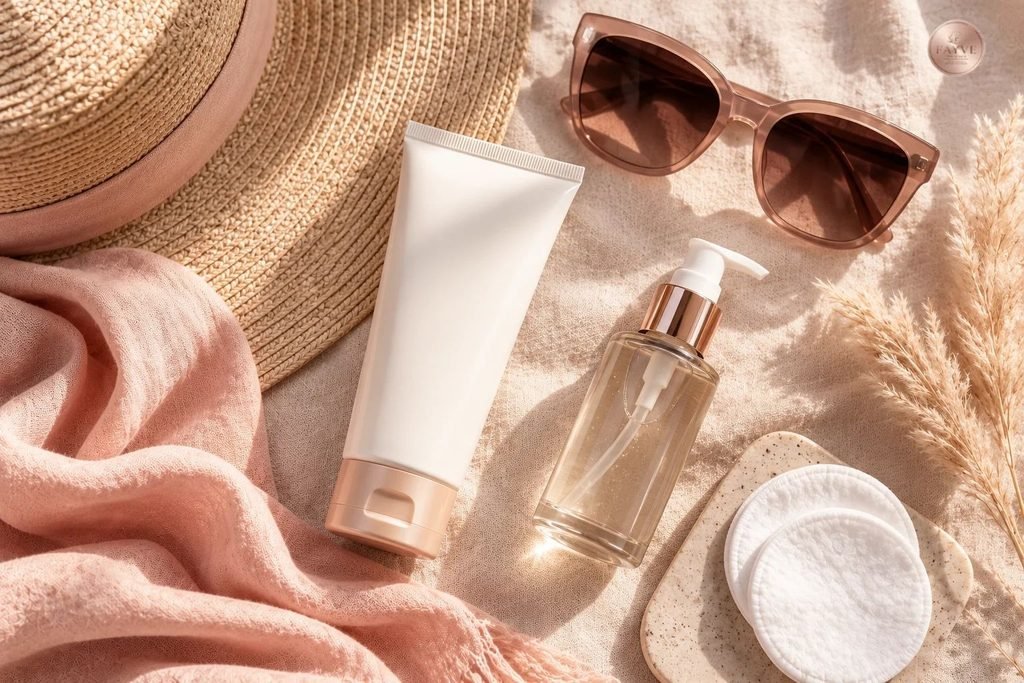
A few simple habits go a long way towards keeping your colour looking its best.
- Follow your personalised aftercare. The healing stage affects how much pigment your skin keeps, so your aftercare instructions really matter.
- Let flakes fall away on their own. Picking can pull pigment out early, and WebMD warns it can also cause scarring.
- Protect healed PMU from the sun. A dermatologist quoted by Healthline recommends sunscreen and wide sunglasses to slow brow fading. For SMP, a hat on strong-sun days is an easy habit.
- Be gentle with exfoliating products around treated areas, since exfoliation can soften or change the colour.
- Mention your PMU before laser, IPL or peels. Lasers and IPL can target and fade pigment, so let your clinic know before any treatment near your brows, lips or eyes.
- Go easy on chlorine and saunas if you have SMP. Both can speed up fading on the scalp.
None of this needs to feel like a chore. Think of it as a little everyday care for something you’ll enjoy every morning.
Beautiful Results, Looked After
Permanent makeup isn’t a decision you’re locked into forever, and it isn’t something that disappears overnight either. It softens gently over time, at a pace shaped by your skin, your habits and the care you give it. Knowing that from the start helps you plan with confidence and enjoy your results for longer.
The most reassuring part? A softened result usually just needs a little refreshing, designed around how your colour has healed.
Wondering how long your brows, lips or liner might last, or whether it’s time for a refresh? WhatsApp us a clear photo with your name and any previous treatment. We’ll review it and suggest a personalised plan and quote, or invite you to book a consultation at our Lokhandwala studio if we need a closer look.
Frequently Asked Questions
1. Why did my friend’s brows fade faster than mine?
Even with the same treatment, skin behaves differently. Oily skin, regular sun exposure, exfoliating skincare, swimming and how closely aftercare was followed can all make pigment soften sooner. The technique and placement matter too. It doesn’t mean either of you had a poor result, just that your skin and habits differ.
2. Does oily skin affect how long PMU lasts?
It can. Oily or combination skin may need touch-ups more often, because excess oil can make it harder for pigment to hold. That doesn’t rule you out. It simply means your artist should know about it, so the technique and pigment can be planned around your skin.
3. Do I need a touch-up?
Often, yes. Once your treatment has healed, your artist may suggest a perfection appointment to even out colour and definition. After that, most people book an occasional colour refresh as their PMU softens. When you’ll need one depends on your skin, the treatment and your lifestyle.
4. Will permanent makeup go away completely if I don’t touch it up?
Not always. It softens over time, but because pigment sits in the skin, it may fade unevenly or leave a trace behind. Some older brow work also shifts to grey, ashy or reddish tones. If that happens, correction or neutralisation may be needed before any new colour is added.
5. Can laser or skincare treatments fade my permanent makeup?
Yes, they can. Lasers and IPL can target pigment and fade it, and regular exfoliation can soften colour too. If you’re planning a laser, IPL or peel near your brows, lips or eyeliner, tell your provider about your PMU first so they can plan around it. You’ll find more answers in our PMU FAQs.